

MOTS-c Peptide: Benefits, Dosage, Side Effects & Stacking Guide

For an athlete who has undergone testing, this situation leaves no ambiguity, it’s definitely a no. MOTS-c is classified by USADA KLOW 80 blend availability under WADA S4.4.1 (activators of AMPK), and it states that a therapeutic use exemption is not achievable because there is no recognized therapeutic application. As MOTS-c is marketed as an unregulated research compound (the actual purity), correct peptide quantity, and sterility depend largely on the vendor, which primarily requires trust.
The researchers state that no commercial or financial connections exist that could be viewed as a possible conflict of interest in their study. Currently, gene-modified and surface-modified bacteria are the most frequently employed methods, while certain natural bacteria, including Lactobacillus (LAB) and Escherichia coli Nissle1917 (EcN), have been clinically validated for safety , 49, 50,. Enhancing the safety and therapeutic effectiveness of bacteria presents an urgent challenge for researchers (37). A growing collection of studies has indicated a strong link between MDP and the aforementioned elements, with MDP enhancing the pathological response related to cardiovascular disease (CVD) through multiple mechanisms , 18, 24,. Clinical studies revealed that approximately one-third of individuals with severe obesity experienced heart failure. This occurrence might be explained by the varied regulation of tissue specificity.
MOTS-c introduces an alternative mechanism that may attract individuals seeking different options or supplements to GLP-1-based strategies. While both MOTS-c and GLP-1 agonists such as semaglutide facilitate weight management — they operate through wholly distinct mechanisms. SS-31 could be viewed as being more focused on specifically protecting mitochondria.
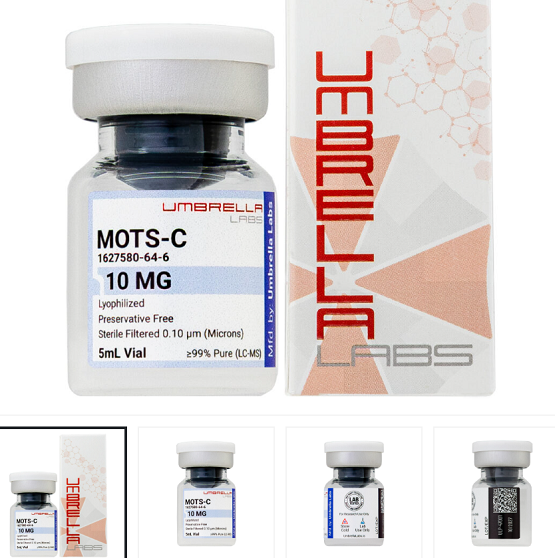
With a standard dosage of 5 mg per week, an 8-week cycle totals 40 mg, either four 10 mg vials or a single 40 mg vial. It outlines how the recorded weekly totals convert to vial usage, rather than suggesting a specific schedule. During the intensified active phase , 25 mg per week,, a 40 mg vial typically lasts around 11 days, which is why community resources that implement higher weekly doses recommend purchasing 40 mg vials instead of stacking 10 mg vials. Under the usual total of 5 mg per week, a 10 mg vial suffices for two weeks while a 40 mg vial lasts for eight weeks — completing a full standard cycle.
My Recommended Protocol (Fat Loss and Metabolic Optimization)
Most people notice this as a trend over weeks — not a feeling on day one. That label overpromises, MOTS-c will not replace training — but the signaling overlap is real and meaningful. MOTS-c levels rise during physical activity, which is why some people call it an “exercise-mimetic” peptide. The central mechanism behind MOTS-c peptide is AMPK activation. But they also decline with age, which correlates with the metabolic slowdown, reduced exercise tolerance, and increased inflammation that most people start noticing in their late 30s and 40s. MOTS-c was first identified in 2015 by researchers at the University of Southern California.
Why MOTS-c Is Called an “Exercise Mimetic”
But tolerability claims here rest on a small pool of research reports and self-reported user accounts, not on controlled safety trials, and that limitation should color everything in this section. MOTS-c is a metabolic compound (not a mass-building one), and higher research doses lean further in that direction. This is genuinely interesting (but it is an association plus a rodent intervention), not a demonstrated longevity effect in people. Circulating MOTS-c declines with age in both humans and animals, and elevated levels have been reported in exceptionally long-lived people.
Growth hormone secretagogues like CJC-1295 and Ipamorelin offer metabolic benefits through different mechanisms. GLP-1 agonists like semaglutide and tirzepatide have become popular for metabolic optimization and weight loss. The safety of physiological MOTS-c does not guarantee the safety of supraphysiological doses.
The specific platform we recommend for MOTS-c is the LegitScript-certified Protocole, which works with independent licensed physicians to guide health consumers toward appropriate peptide treatments. If you work through an online platform, make sure that they deal in pharmaceutical-grade peptides. MOTS-c is also contraindicated for people who take AMPK-activating medicines (such as metformin), thiazolidinediones, and aspirin, as well as anyone with an active cancer diagnosis and people who are pregnant or breastfeeding. Its energizing action on skeletal muscle also makes it an enticing treatment for amateur athletes and strength trainers, with increased exercise capacity leading to better performance or faster gains. There’s usually no need to transfer the peptide to an air-safe container since the vial will probably be sealed with a self-healing stopper (a rubber top that seals around any punctures made with a needle).
This aspect is particularly significant due to the vast discussions about MOTS-c online — which can create the illusion that the research is much farther advanced than it truly is. From a metabolic viewpoint (its potential is much more fascinating), as it pertains to how cells sense energy needs, utilize nutrients, and adjust to metabolic stress. People can have overlapping motivations for their interest in both categories — including factors like body composition, exercise, recovery, and aging, yet biologically they differ greatly. Its significance to training is more intricately associated with metabolism, mitochondrial activity, glucose processing, and adaptation to physical stress.
The AMPK (5′-adenosine monophosphate-activated protein kinase) pathway’s activation is its primary mechanism. This guide examines the benefits of MOTS-c as evidenced by peer-reviewed research. These combinations function through unique mechanisms, providing the justification for stacking them. Typically — MOTS-c is combined with BPC-157 (for synergistic metabolic and tissue repair support), AOD-9604 (for complementary fat metabolism via alternative pathways), and growth hormone secretagogues like sermorelin or ipamorelin (for integrated metabolic and anabolic effects).
If the primary aim is fat loss (GLP-1 is significantly more effective), and I explain the proper usage of these without muscle loss in the Ultimate GLP-1 Video Masterclass. Its sole function is to train your cells to operate like they did in your youth. MOTS-C acts as an exercise mimetic that restores metabolic signaling, making fat loss a secondary outcome rather than its principal function. Should you opt for the 5 mg option, limit it to two or three injections per week and cycle off just as outlined in my protocol. Initially (I administered it at higher dosages), such as 5 mg multiple times a week during my intense metabolic optimization phases.
